When to Harvest Cannabis Trichomes: How to Read Them
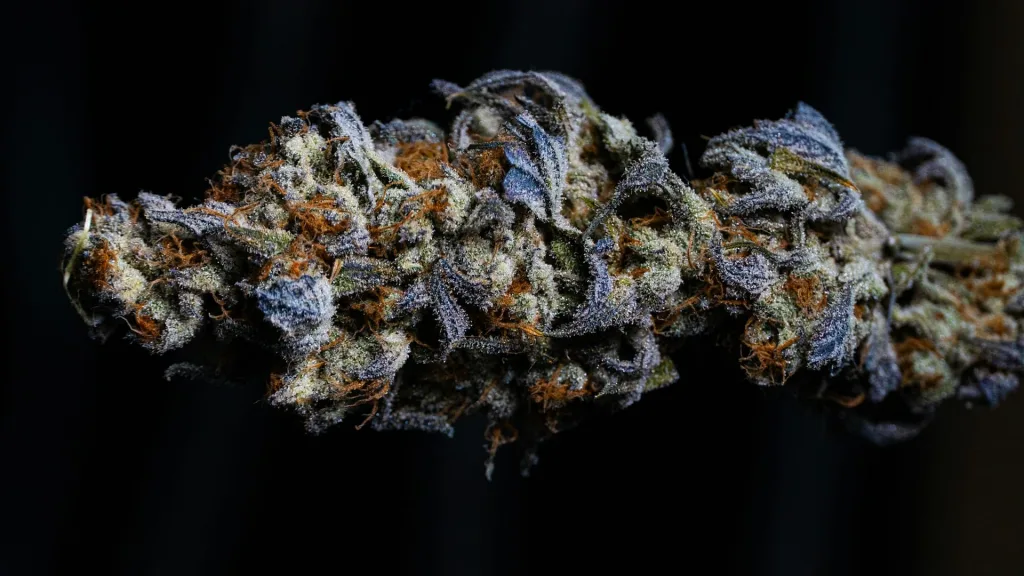
Key takeaways
- Trichomes go through three colour stages, clear, milky white, and amber, and each signals a different point in ripeness.
- Most growers aim for a mix of milky and amber trichomes before cutting, but the exact ratio depends on the strain and the intended effect.
- A jeweller’s loupe or a cheap digital microscope is the only reliable way to read trichomes, your naked eye won’t cut it.
- Trichome colour is one signal, not the whole picture: pistil colour, bud density, and smell all factor in too.
- For the flower you buy, this is why harvest timing is a real quality marker.
Here’s when to harvest cannabis trichomes by colour. Clear trichomes mean it’s too early. Mostly milky with some amber is the sweet spot for most strains. Heavy amber means most growers would call it late. That’s the short answer, everything below explains what’s actually happening and how to read it.
What trichomes actually are
Trichomes are the tiny, hair-like structures that cover cannabis buds and sugar leaves. Under a loupe they look like little mushrooms on a stalk. The round head at the top is where the resin collects, that’s where the cannabinoids and terpenes (the compounds behind the smell and how the high feels) are concentrated.
They start out clear and glassy, fill up as the plant matures, go milky or cloudy, and then gradually turn amber as the compounds inside start to break down.
There are a few types of trichomes on a cannabis plant. The stalked capitate trichomes, the mushroom-shaped ones, are what you’re reading for ripeness. The smaller ones hugging the surface of the bud are less useful as a ripeness indicator. Make sure you’re looking at the right ones when you check.
The three stages: what each colour means
Clear trichomes
Clear, glassy trichomes mean the plant is still building its resin. The compounds haven’t fully developed yet. If a grower harvests here, the flower tends to be light and a bit thin, not fully formed. Most experienced growers treat clear trichomes as a “not yet” signal and move on.
Milky white (cloudy) trichomes
Once trichomes turn milky or cloudy, the resin is at or near its peak. Many growers treat this as the point where the cannabinoids are fully developed and the terpene profile is at its richest. Flower harvested at mostly-milky tends to have a strong nose and a clear, upbeat feeling. A lot of small-batch growers who grow fast, bright, sativa-leaning strains will pull at this stage or just slightly into amber.
Amber trichomes
Amber means the compounds are starting to degrade and change. Some of what’s in the trichome head is converting into other forms. Flower harvested with a higher amber percentage tends to feel heavier and more settled than the same strain pulled earlier. Neither is wrong, it’s a question of what the grower is going for with that particular batch.
| Trichome colour | What it means | Harvest signal |
|---|---|---|
| Clear / glassy | Resin still developing | Too early, wait |
| Milky / cloudy | Cannabinoids and terpenes fully developed | Approaching or at peak, many growers cut here |
| Amber | Compounds beginning to break down | Past peak for some strains; intentional for others |
How to actually read trichomes
Your naked eye can’t do this. Even if the buds look frosty and coated, you can’t distinguish milky from clear without magnification. A jeweller’s loupe or a 30x to 60x pocket microscope costs very little and does the job fine. A USB or phone-clip digital microscope makes it easier to get a steady look, especially on living plants.
Look at the bud itself, not the leaves around it. The smaller sugar leaves tend to mature faster than the bud, so their trichomes go amber earlier. If you base your read on the leaves, you’ll likely harvest too soon. Check a few spots on the bud from different parts of the plant, because trichome development isn’t always perfectly uniform.
Good lighting matters. Natural daylight or a bright LED torch makes a real difference. In dim light, milky and clear look nearly the same.
Why the ratio matters more than any single colour
Most growers aren’t waiting for every single trichome to flip amber before cutting. They’re looking for a ratio. Mostly milky with a little amber is a common target for strains where you want a bright, energetic result. A grower going for something heavier and more relaxed might wait until there’s noticeably more amber.
The strain matters a lot here too. Some genetics mature fast and the window between milky and fully amber is short. Others sit in that milky zone for a couple of weeks. Part of what separates a careful small-batch grow from a rushed one is a grower who’s actually checking the trichomes daily in that final stretch rather than just going by a calendar. You can read more about how this fits into the full picture in our piece on what small batch cannabis really means.
Trichomes are one signal, use all of them
Trichome colour is the most precise tool, but it’s not the only one. Pistils (the little hairs on the bud) change colour from white to orange or red as the plant matures. Bud density fills out as harvest approaches. The smell gets deeper and more developed. Most experienced growers check all of these together.
How a plant was grown also shifts the timeline. Indoor grows in a controlled environment tend to follow strain timelines pretty closely. Outdoor plants are more subject to weather, season length, and whatever the soil is doing, so outdoor growers often get a feel for their plants over several harvests. And the grow method itself, whether indoor, greenhouse, or outdoor, shapes how trichomes develop and how quickly, and you can read more about how cannabis is grown if you want to dig in.
What this means for the flower you buy
If you’re shopping for flower rather than growing it yourself, this still matters. Harvest timing is one of the things that separates a well-made batch from a mediocre one. A grower who pulls too early leaves potency and terpenes on the table. One who waits too long loses some of that brightness and the nose can go a bit flat.
When you’re looking at a jar of good craft flower, the smell is one of your best clues about how the batch was handled. A rich, true-to-strain smell is a good sign the whole process, harvest timing included, was handled well. Faint, grassy, or just “green” smelling often means it came down too early, was dried and cured too fast, or has been stored poorly or sitting too long.
Tip: When you’re smelling a new bag or jar, take a slow breath with the container close to your nose. A well-timed harvest from a good strain should hit you right away, layered and distinct. If it barely registers, something along the way probably fell short, whether that’s the timing, the cure, or how the bud has been stored and how old it is.
Good harvest timing also sets up the cure properly, which is where flavour locks in. If you want craft flower where someone clearly paid attention to this stuff, that’s the kind of batch we look for when we pick our premium flower.
Frequently asked questions
Can you harvest when trichomes are still mostly clear?
You can, but the flower won’t be fully developed. The resin hasn’t filled out yet, so you’re leaving a lot behind in terms of both smell and potency. Most growers consider clear trichomes a firm “not ready” signal.
What percentage of amber trichomes is ideal?
There’s no universal number, it depends on the strain and what the grower is going for. A common starting point is mostly milky trichomes with a little amber mixed in, but some strains and some grow styles call for more or less than that. The grower’s experience with a specific strain over multiple harvests is usually what nails it down.
Do trichomes on the leaves read the same as trichomes on the bud?
No. Leaf trichomes mature faster than bud trichomes, so if you’re reading the leaves you’ll often think the plant is further along than it actually is. Always check the buds directly, and sample a few spots.
What tool is best for reading trichomes?
A jeweller’s loupe or a pocket microscope in the 30x to 60x range is the standard and it’s cheap. A digital microscope or a phone-clip macro lens also works well and makes it easier to hold steady. Whatever you use, make sure you have good lighting.
Can you tell harvest timing from the finished flower you buy?
Not from trichome colour by the time it’s cured and in a jar, those change post-harvest. But the smell is a strong indicator. Deep, complex, true-to-strain aroma usually means the grower got the timing right. A thin or grassy smell often means early harvest or a rushed cure.
Does harvest timing affect how the flower smells and tastes?
Yes, directly. Many growers find terpenes are at their peak in that milky trichome window. Pull too early and they haven’t fully developed. Wait too long and some start to break down. The nose on a well-timed batch versus an early-pulled one from the same strain can be noticeably different.