Cannabis Terroir: How Place Shapes the Flower in Your Hand
Key takeaways
- Cannabis terroir describes how a plant’s environment, soil, water, climate, light, shapes the smell and feel of the finished flower.
- The same strain grown in two different places can smell and smoke noticeably differently.
- Living soil, outdoor sun, and local water all contribute to a plant’s terpene profile in ways a nutrient feed can’t fully replicate.
- Knowing what to look for on a label helps you shop by terroir, not just by THC number.
- Small-batch BC growers are worth paying attention to if this kind of thing matters to you.
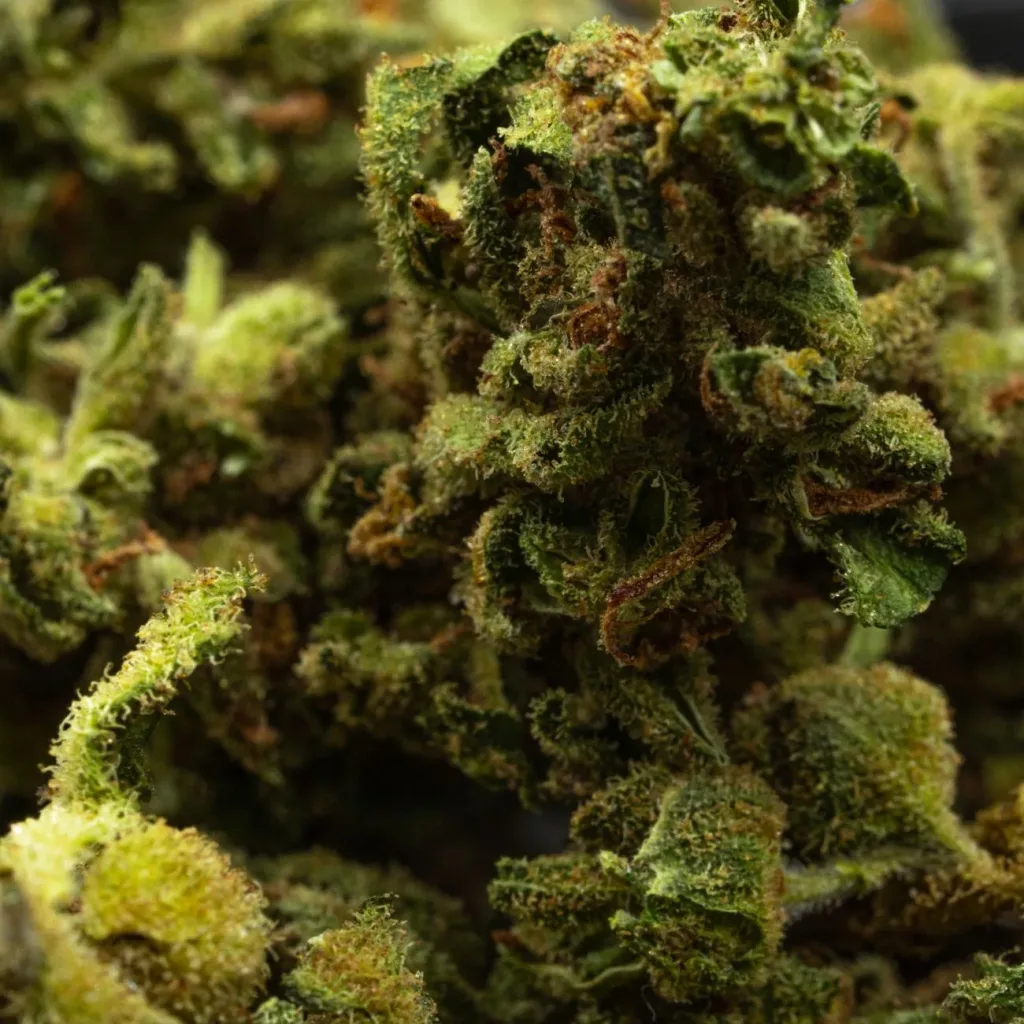
Cannabis terroir is the idea that where a plant grows shapes what ends up in your hand. The soil, the climate, the water, even the altitude, they all leave a mark on the terpenes, the smell, and the overall feel of the bud. Same strain, different place, noticeably different flower.
Where the word comes from
Terroir is borrowed from wine country. Wine people use it to explain why the same grape variety tastes different depending on which hillside it grew on. Cannabis growers and buyers started using it for the same reason: two cuts of the same strain can smell totally different if one was grown in a greenhouse on the BC coast and the other was grown under LEDs in an Ontario warehouse. Neither is automatically better, but they’re genuinely different products.
It’s not a mystical concept. It’s just biology. Plants respond to their environment. Cannabis happens to be particularly sensitive about it.
What actually shapes cannabis terroir
Soil
This is probably the biggest one. A plant pulling nutrients from rich, living, microbe-filled earth is going to build a different terpene profile than one fed a precise nutrient solution in a sterile medium. Living soil grows are popular with small-batch craft growers specifically because the complexity in the dirt tends to come through in the smell. It’s not guaranteed, but there’s a reason those grows get talked about the way they do.
Water
The mineral content of the water a plant drinks matters more than most people think. Growers in certain parts of BC are working with glacier-fed or well water that has a completely different mineral profile than municipal tap water. Those minerals feed the plant differently. You probably can’t taste the water directly in your joint, but it shapes how the plant builds itself over months of growth.
Climate and light
Outdoor sun is full-spectrum light for twelve-plus hours a day during peak growing season. That’s a different story than a 600-watt HPS bulb on a twelve-hour timer. More light hours and more UV exposure pushes plants to produce more trichomes as a kind of natural protection. More trichomes means more terpenes and cannabinoids packed into each bud. Indoor vs outdoor vs greenhouse is a whole topic on its own, but the short version is: the light environment is a huge part of terroir.
Temperature swings matter too. When nights get cold late in the season, a lot of outdoor strains start putting on more colour and shifting their terpene chemistry. That’s why fall-harvested outdoor BC bud often smells different from the same plant grown to finish under lights.
The genetics still have to be right
Terroir can only do so much. If the genetics aren’t there, a beautiful piece of land isn’t going to fix it. Think of it this way: terroir is the ceiling. Good genetics is the floor. You need both. A stellar strain grown in tired soil by someone rushing the dry is still going to disappoint you. Which is why harvest and drying matter as much as the grow environment itself, a bad cure can erase months of careful work.
Why BC is a genuinely interesting place for this conversation
BC has a lot going on environmentally. You’ve got coastal humidity, interior desert heat, mountain valleys with huge temperature swings, and a craft growing culture that’s been going longer than most places in Canada. Small farms in the Kootenays, the Okanagan, the Fraser Valley, they’re all working with different soil conditions and different microclimates. That diversity shows up in the flower, if you know how to read it.
This isn’t a sales pitch for any one region. It’s just worth knowing that when a small BC grower tells you their outdoor is different because of where it’s grown, they’re not necessarily just talking. The place does matter.
How to actually use this when you’re shopping
You don’t need a map and a soil pH kit. You just need to ask a few better questions and read the label a bit differently.
Look at who grew it
Small-batch and craft producers are more likely to be transparent about their grow environment. If the label or product page tells you where it was grown, what the medium was, whether it was hand-trimmed and slow-dried, that’s a grower who thinks terroir matters. That information is worth something.
Check the terpene profile, not just the THC
A bud grown in rich outdoor soil and allowed to fully finish is often going to have a more complex, interesting terpene profile than something pushed fast under lights. If a strain’s terpene numbers are listed, look for diversity, several terpenes showing up in meaningful amounts, not just one dominant compound. That complexity is often a sign the plant had room to do its thing.
Trust your nose
Before you buy anything, smell it if you can. Really good terroir-forward flower has a depth to the smell that’s hard to fake. It might be gassy, or funky, or fruity, or earthy, but it should smell like something specific, not just “weed smell.” Thin or faint smell on a fresh batch is usually a sign something was rushed, either in the grow or the dry.
| Factor | What it affects | What to look for on a label |
|---|---|---|
| Soil type | Terpene complexity, overall character | “Living soil,” “no-till,” “organic medium” |
| Light source | Trichome density, terpene volume | “Sun-grown,” “light-dep,” “full-spectrum LED” |
| Climate / region | Colour, late-season terpene shift | Named region (Kootenay, Okanagan, etc.) |
| Cure and dry | Smell preservation, smoke quality | “Hang-dried,” “slow cure,” “hand-trimmed” |
If you want to dig into some of these factors further, how cannabis is grown is a good place to start. It covers the basics of each grow environment without getting too technical.
Ready to put this into practice? Shop our Premium Flower, we carry small-batch BC grows that are worth smelling for yourself.
Frequently asked questions
Is cannabis terroir a real thing or just marketing?
It’s real in the sense that environment genuinely affects terpene development and plant chemistry. Whether a specific grower is using the word honestly is a fair question, some do, some don’t. Look for specifics: named region, soil type, grow method. Vague terroir claims without those details are worth being sceptical about.
Does indoor cannabis have terroir?
It has a grow environment, which shapes the plant. Whether you call it terroir is up to you. Indoor grows can produce outstanding flower, but the environmental variables are controlled by the grower rather than shaped by a place. It’s a different kind of consistency than what an outdoor or greenhouse grow in a specific region produces.
Why does the same strain smell different from different brands?
A few things can cause that: different growing environments (soil, light, climate), different phenotypes of the same strain, and differences in how and when the flower was dried and cured. Two growers can work with genetically similar seeds and end up with noticeably different bud because every one of those variables is different.
Should I be choosing by terroir instead of THC?
If you care about how bud smells and the overall experience of smoking it, then yes, the grow environment matters more than a THC percentage. THC numbers tell you about potency, not about complexity or quality. A lot of regular flower buyers find that once they start shopping by terpene profile and grow method, the THC number becomes much less interesting.
What does “sun-grown” mean on a cannabis label?
It means the plant was grown outdoors under natural sunlight, as opposed to under artificial lights in an indoor facility. Sun-grown is one of the more meaningful terroir signals on a label because it tells you the plant experienced real seasonal light cycles, temperature variation, and natural airflow, all of which shape the final flower.
Do I need to spend a lot to get terroir-forward flower?
Not necessarily, but craft and small-batch outdoor bud does tend to cost a bit more than mass-produced indoor. The extra cost usually reflects the hands-on labour and slower timelines involved. If the terroir side of things matters to you, it’s generally worth trying at least one small-batch outdoor or living soil grow to see if you notice the difference.