Flushing Cannabis Plants Before Harvest: What It Means and Why Growers Debate It
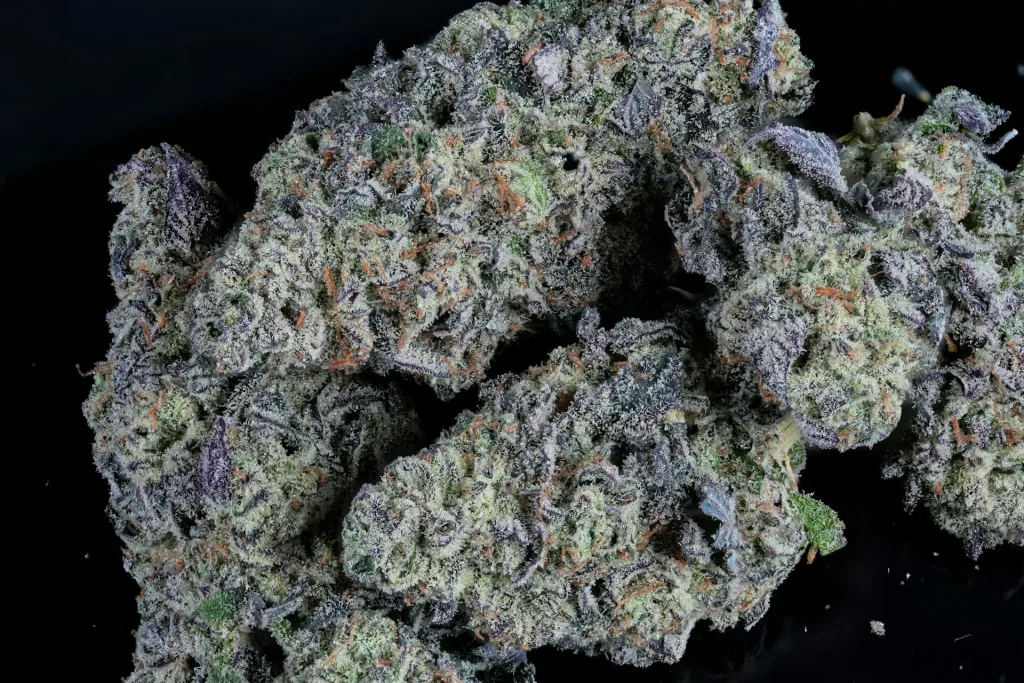
Key takeaways
- Flushing cannabis plants means running plain water through the growing medium in the final weeks before harvest to clear out excess nutrients.
- Growers who flush say it improves the taste and smoothness of the final smoke; plenty of other experienced growers say the science doesn’t back that up.
- Whether flushing actually helps depends a lot on the grow medium and feeding style. It’s not a one-size answer.
- Living soil growers usually skip flushing entirely, since the soil itself does a lot of the balancing work.
- As a shopper, you can’t check a label for “flushed,” but you can read for signs of quality like an even burn, flavour that holds up, and a well-developed nose. Ash colour gets talked about a lot, but it isn’t a reliable test.
Flushing cannabis plants means a grower stops feeding nutrients and runs plain water through the growing medium for a period before they chop. The idea is to clear out any leftover nutrients sitting in the roots and medium so they don’t end up in the final flower. Simple enough in theory. The debate kicks in when you ask whether it actually changes what ends up in your jar.
What flushing actually is
If you want to understand how cannabis is grown, nutrients are a big part of the picture. During the grow, plants get fed a mix of nitrogen, phosphorus, potassium, and a bunch of other minerals. That’s normal. But some growers believe that if there are still a lot of salts and nutrients built up in the medium right before harvest, those compounds stick around in the plant tissue and end up in the bud.
So flushing is the proposed fix. You stop feeding, run a lot of plain water through the medium, and let the plant use up whatever’s left in its own tissues before you cut it down. Timing varies: some growers flush for a week, some for two, some just a few days.
The key thing to understand: flushing is about the medium and the roots, not spraying the buds with water. You’re washing the growing medium so excess mineral salts drain out rather than staying put.
Why some growers swear by it
The argument for flushing usually comes down to taste. Growers who flush say their finished flower burns cleaner, the ash stays white or light grey instead of going dark and clumpy, and the smoke feels smoother. A lot of experienced growers, especially those running heavy nutrient programs in coco coir or rockwool, say they notice a real difference.
There’s also a practical side to it. If a grower has been pushing heavy feeds and you can see salt buildup in the medium, that’s a sign there’s an excess to clear. Running plain water before harvest is a way to bring things back to a more neutral state before the plant finishes.
The idea connects to plant nutrition more broadly: a plant that’s still being pushed with nutrients right to the end may behave differently than one that’s been allowed to wind down and draw on its own stored resources.
Why other growers push back
The counter-argument is that the plant isn’t a passive sponge. It regulates what it takes up. Excess nutrients sitting in the medium don’t just flow straight into the bud the way water soaks into a sponge. The plant has processes that control uptake, and a lot of what’s in the medium never makes it into the tissue in the first place.
Some growers also point out that flushing in the final weeks can actually stress the plant by removing the nutrients it still needs to finish properly. Starving a plant at the end of its life isn’t automatically a good thing. It can affect how the flowers finish out.
There have been some grower-run trials and informal experiments comparing flushed versus unflushed flower, and the results are mixed. There’s no clear, well-replicated evidence that shows flushing always produces cleaner-tasting bud. That doesn’t mean it does nothing, but it does mean the case isn’t settled.
Where the medium matters a lot
This is one of the more useful ways to think about flushing: it’s not a universal practice because not every growing method works the same way.
| Growing medium | Flushing practice |
|---|---|
| Coco coir or rockwool (hydro/soilless) | Most commonly flushed; salt buildup is real and measurable in these inert media |
| Heavy synthetic nutrient soil grows | Often flushed; excess salts can accumulate in the medium |
| Living soil / no-till organic | Usually not flushed; the microbial ecosystem does the balancing, and a heavy flush can wash out what the soil life needs |
| Light organic soil with minimal feeding | Often skipped or very brief; not much to flush out |
Living soil growers are a good example of why flushing isn’t universal. In a well-built living soil, the microbes and organic matter cycle nutrients slowly and naturally, so there’s no salt buildup to worry about in the same way. Blasting that system with a heavy flush would do more harm than good.
What this means when you’re shopping for flower
You’re not going to see “flushed” on a product label, and even if you did, it wouldn’t tell you much without knowing the full grow context. What you can actually look for is the result: does the bud burn clean and even? Does the flavour hold through the whole smoke rather than getting harsh partway through? Ash colour gets talked about a lot, but it mostly comes down to moisture, how dry the bud is and how it burns, so it isn’t a reliable test.
Smell, an even burn and flavour that holds up are the better quality signals, and they come from the whole grow and cure combined, not just one step. A well-grown and well-cured flower from a thoughtful small-batch grower will usually show those signs whether they flushed or not. The steps that happen right after the chop matter too, because cure makes a huge difference to the final smoke.
If you want flower where growers are paying close attention to every decision, have a look at our Premium Flower (AAA) to see what we’ve got in.
Frequently asked questions
Does flushing cannabis plants make the bud taste better?
Some growers say yes, and plenty of experienced growers disagree. It depends on the growing method, how heavy the nutrient program was, and how the rest of the grow went. Flushing is one piece of a much bigger picture, and it doesn’t automatically fix issues that came from earlier in the grow.
How long do growers flush before harvest?
It varies. Some growers flush for a week or two, others just a few days, and some not at all. There’s no single standard, and the right length (if any) depends on the medium, the feeding program, and what the plants look like as they finish.
Can you over-flush a cannabis plant?
You can flush too early or for too long, which can stress the plant and cut short the final stage of bud development. Leaves will yellow and the plant may not finish as well as it would have otherwise. Timing matters.
Do organic or living soil grows need to be flushed?
Usually not. In a well-managed living soil, nutrients are released slowly through microbial activity rather than added as soluble salts, so there’s much less buildup to clear. Most organic soil growers skip the flush entirely or just water plain once or twice near the end.
Is there a way to tell if the flower you’re buying was flushed?
Not from the label. The practical indicators are how it burns (even, slow) and whether the flavour holds up. Ash colour gets talked about a lot, but it mostly comes down to moisture and how the bud burns, so it doesn’t tell you how the flower was finished. That said, cure, genetics, and overall grow quality all affect those things too, so it’s not a direct test for flushing specifically.
Does flushing affect the smell or terpenes in the bud?
This one comes up a lot. Terpenes develop during the grow and are largely set by genetics, light, temperature, and how the plant finishes. Flushing isn’t directly responsible for terpene production, though some growers argue that a cleaner finish lets those aromas come through without interference. The bigger factors are genetics, environment, and cure.