Living Soil Cannabis: Why Small-Batch Growers Swear By It
Key takeaways
- Living soil cannabis is grown in biologically active soil full of microbes, fungi, and organic matter, no synthetic nutrients.
- The microbial life in the soil breaks down organic matter and feeds the plant naturally, which many small-batch growers say produces richer smell and more complex flavour.
- It’s a slower, more labour-intensive method, which is why you mostly see it from craft and small-batch producers.
- Good living soil flower usually shows in the nose, a fuller, more layered smell compared to nutrient-line-grown bud.
- When you’re shopping, ask about the grow method; a grower proud of their soil will usually say so up front.
Living soil cannabis is flower grown in a carefully built, biologically active soil mix rather than fed through synthetic nutrient solutions. The short version: the soil itself is doing a lot of the feeding work, not a bottled nutrient mix.
What “living soil” actually means
Normal potting soil is basically just a medium that holds the plant up while you pour nutrients into it. Living soil is different. It’s packed with microorganisms, bacteria, fungi, nematodes, and other tiny life, that work together in what’s called a soil food web. That web breaks down organic matter (compost, worm castings, kelp, biochar, and so on) and converts it into forms the plant’s roots can actually absorb.
So instead of a grower dialling in a precise nutrient schedule and feeding the plant directly, the plant and the soil biology sort of work it out together. The roots signal what they need, the microbes respond, and the plant takes up what’s available. It’s a more hands-off feeding approach, but it takes a lot of work upfront to build and maintain the soil correctly.
If you want a broader picture of how cannabis gets grown across different methods, that’s a good place to start before digging into the soil question specifically.
Why small-batch growers are drawn to it
Living soil setups don’t scale up cheaply or easily. Pre-made living soil mixes are easy enough to buy, but keeping the soil biology healthy across big rooms is hard. Building a good soil mix, keeping it alive and balanced across a whole crop, and amending it correctly between runs takes time, attention, and real experience. That’s why it’s much harder to do well at big scale.
Small-batch craft growers, on the other hand, are often running smaller rooms or greenhouses where they can actually watch each plant closely. They can afford to tend the soil the way it needs to be tended. Many of them got into growing this way because they wanted to do something closer to how cannabis grows in nature, and they believe the results show up in the final product.
The comparison to sun-grown vs indoor is worth thinking about here, too. Some living soil growers work outdoors or in greenhouses, letting sunlight and natural inputs do as much of the work as possible. Others build living soil beds indoors under lights. The soil method and the light source are separate choices, and both shape the final flower.
Does it actually change what’s in the jar?
A lot of growers, buyers and regular smokers say yes, they can tell the difference. The smell tends to be fuller and more complex. The flavour on the exhale is often described as cleaner and more true to the strain’s actual character. Some smokers also say the burn feels smoother, and some look at ash colour, though ash colour mostly comes down to how the bud was dried and cured, its moisture, and how it burns. Plenty of living soil growers don’t flush at all, and growers still argue about flushing before harvest.
That said, living soil isn’t a magic label that guarantees great flower. A grower can use a living soil method and still harvest too early, dry too fast, or cure poorly, and any of those will tank the quality regardless of how good the soil was. The soil is one piece of a bigger picture, and those final steps matter a lot.
What the nose tells you
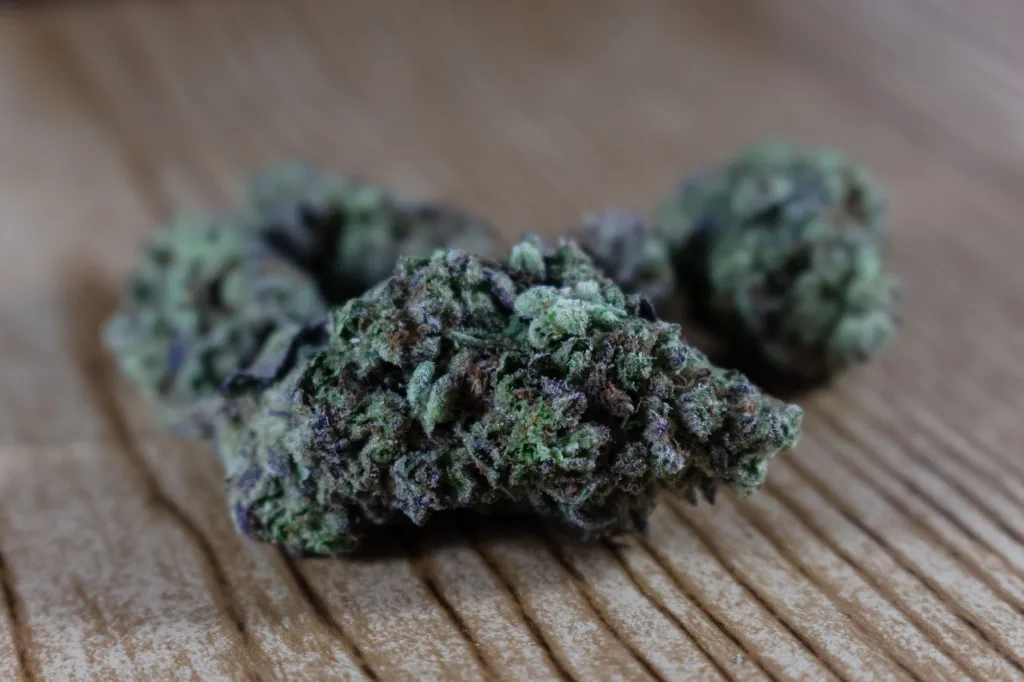
When you open a jar of well-grown living soil cannabis, the smell is usually the first thing you notice. It tends to be more layered, you might pick up the primary strain smell (say, a sharp citrus or a deep earthy funk) plus something underneath it that’s harder to name. Some people describe it as a richness or fullness. It’s not necessarily stronger than other well-grown flower, but it often feels more complete.
Compare that to some flower grown on a heavy synthetic nutrient line, where some smokers say they pick up a kind of flat or chemical edge to the smell, even if the bud looks great. A clean, rich nose is one of the better signs that the inputs and the growing process were dialled in.
What to look for when you’re shopping
You can’t always tell by looking at a bag whether it’s living soil or not, so here’s what to actually do:
- Check the details. A grower who’s genuinely running living soil will usually mention it. If the packaging or the brand’s info doesn’t say anything about grow method, don’t assume it.
- Smell it if you can. A rich, layered smell generally points to better overall care in the grow, whether that’s living soil or another clean organic approach.
- Look at the trichomes. Under even a cheap loupe, healthy trichomes on well-grown flower look dense and intact. Milky or cloudy heads are what you want to see at peak ripeness, not clear (harvested early) and not fully amber across the board (past peak).
Living soil vs other common grow methods
| Method | How the plant gets fed | What it tends to mean for the flower |
|---|---|---|
| Living soil | Soil biology breaks down organic matter; plant takes what it needs | Often richer nose; slower and more craft-focused |
| Coco / hydro with synthetic nutrients | Grower mixes and delivers nutrients directly to roots | Very controllable; can produce great bud, but technique matters a lot |
| Organic coco / peat with bottled organics | Organic nutrient solutions, still fed on a schedule | The grower feeds organic inputs from a bottle instead of the soil biology doing the work; less microbial activity than true living soil |
| No-till living soil | Same biology as living soil; soil bed is never broken up between runs | Many craft growers see it as living soil taken as far as it goes |
No-till living soil deserves a quick mention. Some small-batch growers take the living soil idea further by never turning over the soil bed between harvests. The root mass from the previous plant stays in the ground and breaks down, feeding the next run. Over multiple cycles, the soil biology gets richer and more established. It takes patience and a long-term soil bed, and growers who do it are often the most passionate about it.
How to find it on the shelf
Not every brand calls it out clearly on the packaging, some say “organic,” some say “craft,” some say “no-till.” On their own, those words don’t tell you much, so look for specifics from the grower. What does matter is whether the brand or grower is actually talking about their soil. A producer who’s put real effort into their grow method usually wants you to know about it.
A good question to ask is: “I want something with a really good nose, do you have anything from a living soil or no-till grower right now?” That question will get you somewhere useful fast.
If you’re ready to browse, have a look at our premium flower.
Frequently asked questions
Is living soil cannabis stronger than other weed?
Not automatically. Potency is mainly about genetics, harvest timing and overall growing conditions, not the soil method on its own. What living soil more reliably affects is the smell and the flavour, not the THC number on the label.
Does “organic” mean the same thing as living soil?
Not quite. “Organic” usually means the inputs (nutrients, pesticides) are derived from natural sources. Living soil goes further, it’s specifically about building a biologically active soil ecosystem. A grower can use organic nutrients in a non-living medium, or build a living soil using all organic inputs. They overlap a lot, but they’re not the same thing.
Can living soil cannabis be grown indoors?
Yes. Plenty of small-batch craft growers build living soil beds inside a controlled indoor environment. The soil method and the grow environment (indoor, outdoor, greenhouse) are separate decisions. You can read more about the tradeoffs in the how cannabis gets grown overview.
Why does living soil flower sometimes cost more?
It comes down to time and labour. Building and maintaining a healthy soil ecosystem takes more work per plant than feeding a synthetic nutrient schedule. Smaller batch sizes and the slower pace of the method also mean less volume per run. That tends to show up in the price.
How do I know if a grower is actually using living soil?
Ask. Look at what the brand publishes about their grow process. Growers who are genuinely doing it tend to talk about it in detail, the amendments they use, how long their soil has been running, whether they’re doing no-till. Vague claims with no specifics are worth being a little sceptical about.
Does the grow method affect how the flower smells and tastes?
Many people who work closely with cannabis consistently say yes. The general observation is that living soil and no-till flower tends to have a richer smell and a cleaner flavour. It’s hard to prove in a controlled way, but it’s a pattern enough growers and buyers notice that it’s worth factoring in when you’re choosing.