Sun-Grown vs Indoor Cannabis: A Fair Comparison
Key takeaways
- Sun-grown cannabis uses natural sunlight and often living soil, which can produce complex terpene profiles at a lower cost to the grower.
- Indoor cannabis gives growers tight control over light, humidity, and temperature, which usually means dense, visually consistent buds.
- Neither method automatically wins on quality. A skilled small-batch grower outdoors can outshine a lazy indoor op, and vice versa.
- What to look for: nose, trichome coverage, and how well it was dried and cured matter more than where it grew.
- A good sun-grown batch can stand right next to top-shelf indoor.
The short answer: sun-grown cannabis is grown outside under actual sunlight, and indoor cannabis is grown under artificial lights in a controlled environment. Both can produce excellent flower. The growing method tells you something useful about what to expect, but it’s not the whole story.
What actually changes between sun-grown and indoor cannabis
When you’re picking up flower, the grow environment shapes a few things you’ll notice right away: the look of the bud, the smell when you crack the jar, and how the smoke feels. Here’s what each method tends to do.
Sun-grown: what it is and what you get
Sun-grown means the plant spent its life outdoors, getting its light from the sun. That sounds simple, but it’s actually a big deal. Sunlight has a full, natural spectrum that no grow light perfectly copies. Plants grown outside also deal with real weather, real soil microbes, and natural seasonal changes that tell the plant when to start flowering.
A lot of the small-batch craft growers doing this work in BC are running living soil growing, where the soil itself is full of microorganisms that help feed the plant. Many growers and smokers feel living soil gives a fuller smell, and that biology in the soil is one reason people say outdoor-grown weed can have a richer, more complex smell.
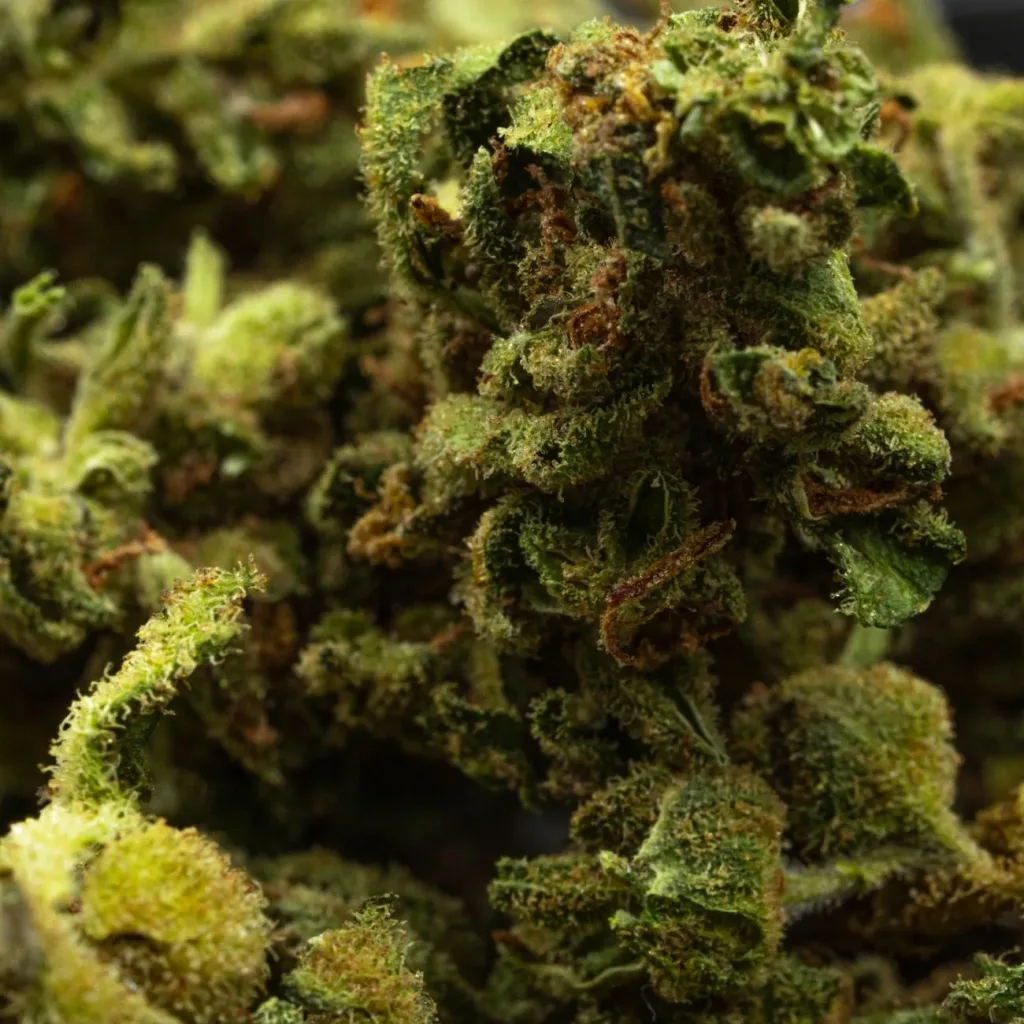
The trade-off is consistency. Weather happens. A rainy harvest season, a heat spike, or an early frost can affect a batch. Sun-grown flower also tends to look a little different from indoor: the buds can be airier, less geometrically dense, and the colour range varies more. Some people see that and assume it’s lower quality, but the look of the bud doesn’t tell you much about how it smokes.
Indoor: what it is and what you get
Indoor means the plant grows under artificial lights, LEDs, HPS, or CMH setups, with dialled-in humidity, CO2, and temperature. The grower controls basically every variable. That control usually shows up in the final product as dense, tight buds with a uniform look and strong trichome coverage.
Because the environment is so consistent, indoor grows can run year-round. You also get predictable results batch to batch, which matters if you’ve found a strain you love and want it to smoke the same way every time.
The knock on indoor is that chasing density and bag appeal can sometimes come at the cost of terpene complexity. If a grow operation is optimising for yield and looks, the smell can end up a bit one-dimensional. Not always. Great indoor growers produce flower with a fantastic nose. But it’s something to check rather than assume.
Sun grown vs indoor cannabis: a side-by-side look
| Factor | Sun-Grown | Indoor |
|---|---|---|
| Light source | Full-spectrum sunlight | Artificial grow lights |
| Bud density | Often looser, more varied | Usually dense and uniform |
| Terpene profile | Can be complex, earthy, rich | Can be sharp and clean, varies by grower |
| Consistency batch to batch | More variable (weather-dependent) | More predictable |
| Price point | Often lower cost | Often higher cost |
| Harvest timing | Once a year, usually in fall | Year-round |
The thing people get wrong about sun-grown weed
A lot of shoppers assume outdoor automatically means lower quality. That idea made sense years ago when outdoor crops weren’t being grown with the same care as indoor. It’s a different situation now. Small craft growers in BC are putting serious work into sun-grown flower, selecting genetics that do well outside, growing in rich amended soil, and paying real attention to harvest and drying. A well-grown, well-cured sun-grown batch can hold its own against indoor.
The flip side is also true. Just because something was grown indoors doesn’t make it premium. Plenty of large-scale indoor grows produce mediocre flower, so treat the grow method as a clue rather than a guarantee.
How to actually judge a batch, regardless of where it grew
Here’s what we look at when we’re checking new flower:
- The smell. Open the bag and take a real sniff. Good flower, sun-grown or indoor, should have a distinct, strong nose. Flat or hay-like smell usually means the cure wasn’t great. This matters more than almost anything else.
- Trichome coverage. If you can see the surface of the bud, it should look frosty. Those tiny crystals are where most of the terpenes and cannabinoids live. You can learn more about reading those crystals in our article on reading trichomes to time the harvest.
- How it breaks apart. Good flower holds together but breaks cleanly. Bone-dry and crumbly usually means it was over-dried or stored badly. Spongy or damp means it wasn’t dried properly.
- Colour and trim. Sun-grown can run green, purple, gold, and everything in between. That variation is fine. What you don’t want is brown or bleached-looking bud.
For a deeper look at how the grow method affects all of this, our full breakdown of indoor, outdoor, and greenhouse goes into a lot more detail. And if you want the basics of how cannabis is grown across all three methods, that’s a good place to start.
If you’re ready to try some well-sourced craft flower and see for yourself, shop our Premium Flower to see what we’re carrying right now.
Frequently asked questions
Is sun-grown cannabis weaker than indoor?
Not necessarily. Potency depends on the genetics, the grower’s skill, and how the plant was finished and cured, not just where it grew. A well-grown sun-grown strain can be just as strong as its indoor equivalent.
Why does indoor weed usually look better?
Controlled environments let growers dial in exactly what the plant needs, and consistent light and temperature produce tight, dense buds. Outdoor plants deal with more variables, so the bud structure is naturally more varied. That difference in appearance doesn’t tell you much about how it smokes.
Does sun-grown flower smell different?
It often does, yes. Growing in living soil with full-spectrum sunlight can push a plant to produce a broader range of terpenes. Many people find sun-grown batches have a more earthy, complex smell. But this varies a lot by strain and grower, it’s not a rule.
Is sun-grown cannabis cheaper?
Usually. The lower overhead of growing outdoors means the cost to produce is lower, and that often passes through to the price. That said, a really well-done small-batch sun-grown crop from a craft grower can carry a higher price.
What’s the difference between sun-grown and outdoor cannabis?
Usually not much. “Sun-grown” most often means outdoor flower, though some growers also use it for greenhouse crops grown under natural sunlight. A lot of craft growers prefer the term because it emphasises the natural light source rather than just the location.
Can I tell by looking at the bud whether it was grown indoors or outside?
Sometimes. Dense, uniform, super frosty buds with consistent colour lean toward indoor. Airier buds with more colour variation and a wilder structure lean toward sun-grown. But a great outdoor grower can produce really tight flower, and a mediocre indoor grow can look worse than you’d expect. Your nose is a more reliable guide than your eyes.