The OG Kush Lineage: Where It Comes From and What It Means for Your Bud
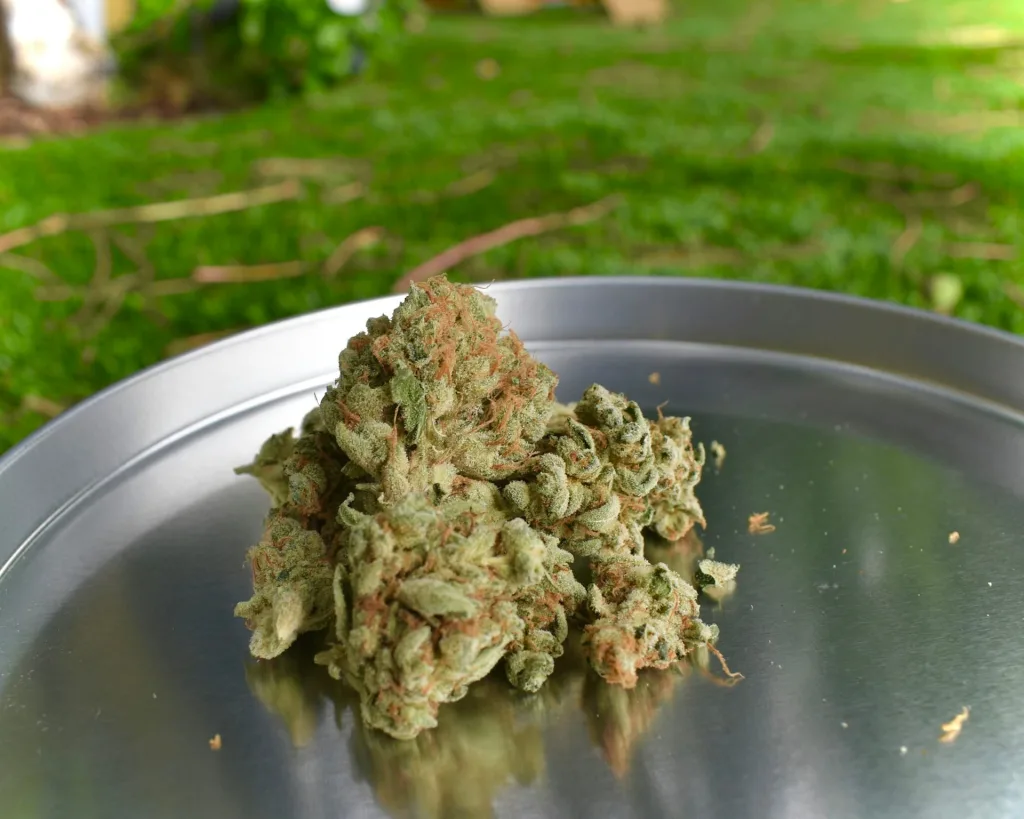
Key takeaways
- OG Kush is widely believed to be a cross of Chemdawg and a Hindu Kush-influenced male, though its exact origins are genuinely disputed.
- The OG Kush lineage produced many of today’s most popular strains, including GSC (Girl Scout Cookies), Gelato, and Skywalker OG.
- The signature OG nose is fuel, earth, and a little citrus peel, driven mostly by the terpenes caryophyllene, myrcene, and limonene.
- Knowing the lineage helps you predict what a strain will smell, taste, and feel like before you buy it.
- Not all “OG” bud is equal: how it was grown and cured matters as much as the name on the bag.
OG Kush lineage traces back to a cross, most likely Chemdawg crossed with a Hindu Kush-influenced male, that surfaced in California in the early 1990s. That one batch of genetics went on to become the backbone of a huge chunk of modern cannabis.
What does “OG” actually mean?
Nobody fully agrees on this, and that’s part of what makes OG Kush interesting. The two most common stories: “OG” stands for “Original Gangster,” meaning it’s the real, original version of the strain. Or it stands for “Ocean Grown,” a nod to the coastal California climate where it was first popularised. Some old-school growers insist on the Ocean Grown version; others say that’s a myth. Either way, the name stuck and the genetics spread fast.
What matters more than the name’s origin is what the genetics actually do. OG Kush produces dense, resinous buds with a very specific smell profile that its descendants tend to carry forward. That’s the real fingerprint.
The OG Kush lineage: where it likely came from
Most breeders and geneticists who’ve studied this point to Chemdawg as a key parent. Chemdawg itself is a bit of a mystery strain, but it’s known for heavy resin production and that sharp, fuel-forward smell. The other likely parent is something from the Hindu Kush region, a landrace (that means a strain that developed naturally in a specific geographic area without human breeding) that contributed dense structure, a shorter flower time, and earthy, hash-like depth.
Put those two together and you get OG Kush: the fuel and chemical punch from Chemdawg, the dense, resinous structure and earthy base from the Hindu Kush side. It’s a good match of complementary traits, which is probably why it bred so well and threw so many stable, usable offspring.
If you want to go deeper on how these big genetic families connect, our Cannabis Strain Families: The Big Genetic Lines guide lays out how the major branches relate to each other.
The OG Kush family tree: key descendants
This is where the lineage gets genuinely impressive. A lot of the strains people ask for by name right now are OG Kush descendants, even if the OG name isn’t obvious in the strain’s title.
| Strain | OG Kush connection | What it typically brings forward |
|---|---|---|
| Skywalker OG | OG Kush x Skywalker | Heavy resin, earthy fuel smell, very dense buds |
| GSC (Girl Scout Cookies) | OG Kush x Durban Poison | Sweet and earthy, complex nose, well-known potency |
| Gelato | Thin Mint GSC x Sunset Sherbet (both OG-descended) | Creamy, dessert-forward smell with underlying earth |
| Fire OG | OG Kush x SFV OG Kush | Sharper fuel notes, very frosty appearance |
| Tahoe OG | OG Kush phenotype | Lemon, fuel, classic OG structure |
| Sherbet (Sunset Sherbet) | GSC x Pink Panties | Sweet, fruity, still has that earthy OG backbone |
GSC and Gelato are probably the two most widely bought OG descendants right now. Most people who love Gelato don’t realise they’re essentially loving a third-generation OG Kush product. The genetics carry through in the resin density and the way the buds feel in your hand.
What the OG terpene profile actually smells like
The easiest way to spot an OG-family strain by nose is the fuel-earth combo. It’s sharp, a little chemical, and underneath that there’s usually a layer of damp soil or pine. Some phenotypes also throw a lemon or lime note, which comes from limonene. That citrus edge is what separates a lot of OG cuts from straight Kush, which tends to be earthier and spicier without as much brightness.
The three terpenes you’ll see most often in well-grown OG flower:
- Caryophyllene, spicy, pepper-like. This one actually binds to receptors in your body the same way cannabinoids do, which makes it interesting beyond just the smell.
- Myrcene, earthy, slightly musky. Very common across cannabis generally, but it’s usually high in OG cuts and contributes to that heavy, relaxed feeling many people associate with the family.
- Limonene, citrus. More present in some OG phenotypes than others. When it’s there, it lifts the nose and stops the strain from smelling flat or just like dirt.
Good OG bud should hit you with that fuel-earth smell the second you open the bag. If it just smells like hay or nothing much, something went wrong either in the grow or the cure.
How to read OG Kush quality in the bag
The name “OG” gets used on a lot of bud, so knowing what to look for helps you separate the real stuff from a bag that just borrowed the label.
Smell first. Genuine OG-family flower is pungent. You shouldn’t have to bury your nose in the bag. If it’s got the genetics and was grown well, you’ll know it from a foot away.
Look at the trichomes. OG strains are known for heavy resin production. Under even a basic loupe, good OG bud should look almost dusted. If it looks dry or the surface is dull, it’s either old, poorly grown, or both.
Check the structure. OG nugs are dense and compact, not fluffy. They should feel a little heavy for their size. Fluffy, airy buds in something labelled OG are usually a sign the plant didn’t get enough light or the grow conditions weren’t right.
The cure matters. Even great genetics fall flat if the flower wasn’t dried and cured properly. It should break apart with a little resistance, not crumble into dust or feel wet and spongy.
If you’re looking for a solid starting point, our Premium Flower (AAA) section is where we keep the well-grown, strain-forward stuff worth spending on. We also carry Smalls & Popcorn from good grows if you want the same genetics at a lower price point, smaller buds but the same plant.
Why the OG Kush lineage matters for choosing your weed
Knowing a strain’s family tree isn’t just trivia. It’s actually useful when you’re trying to figure out what to buy. If you’ve had GSC and loved it, you’ll probably do well with other OG descendants because the genetic thread runs through them. The resin density, the terpene profile, the way the high tends to feel: these traits show up across the family in recognisable patterns.
The flip side is also true. If OG Kush is too heavy for you, you can use that knowledge to steer away from its descendants and look for strains with less OG in the background, something Sativa-leaning or from a Haze or Skunk family instead.
Genetics don’t tell the whole story. A well-grown batch of a mid-tier strain can outperform a poorly grown version of a famous cut. But starting with genetics gives you a solid prediction before you open the bag.
Frequently asked questions
Is OG Kush Indica or Sativa?
It’s generally classified as Indica-dominant, leaning toward the Hindu Kush side of its background. That said, the Chemdawg influence means it’s not a pure couch-lock strain. Most people describe it as a full-body heaviness with a clear enough head that you can still have a conversation.
What’s the difference between OG Kush and SFV OG?
SFV OG (San Fernando Valley OG) is a clone-only phenotype of OG Kush that was selected in the San Fernando Valley area of California. It tends to run a little more on the lemon and fuel side of the nose, and many people who grow it say it’s a bit more consistent than standard OG Kush phenos. It’s the same genetics, just a specific selection from them.
Why does so much weed have “OG” in the name?
Because OG Kush genetics bred really well and produced a lot of offspring that people actually liked. Breeders kept crossing OG Kush into new strains, so the family got very large. Some strains use “OG” in their name honestly because they carry those genetics. Others borrow the name for brand recognition without the actual lineage behind it. This is why smelling the bud and knowing what OG terpenes actually smell like matters more than reading the label.
Does Gelato actually have OG Kush in it?
Yes, a couple of generations back. Gelato comes from Thin Mint GSC crossed with Sunset Sherbet. GSC (Girl Scout Cookies) is a direct OG Kush cross, and Sunset Sherbet also has GSC in it. So Gelato carries OG Kush genetics through both parents. That’s why it still has that dense, resinous structure even though the nose has gone in a much sweeter, creamier direction.
How do I know if an “OG” strain was actually grown well?
Smell it. OG-family bud that was grown and cured properly should be loud: fuel, earth, maybe a little citrus. The buds should be dense and sticky, not dry and crumbly. Trichomes should be visible and plentiful, even without a loupe. If a strain is labelled OG but smells like nothing, the genetics might be there, but the grow didn’t do them justice.
Are all “Kush” strains related to OG Kush?
Not necessarily. “Kush” as a word refers to the Hindu Kush mountain range, and there are landrace Kush strains that predate OG Kush by a long time. Strains like Hindu Kush or Afghan Kush are their own genetic lines that contributed to OG Kush, not the other way around. OG Kush borrowed the Kush genetics and then bred its own family forward from there.