The Cannabis Plant, From Seed to Flower
Key takeaways
- The cannabis plant goes seed to sprout, then a leafy growing stage, then flowering, where the buds you smoke form.
- The good stuff comes from the flowers, coated in tiny frosty glands called trichomes.
- Terpenes are the oils that give each strain its smell and flavour.
- How you read a strain, its nose, look, and how it grew, tells you more than the name on the label.
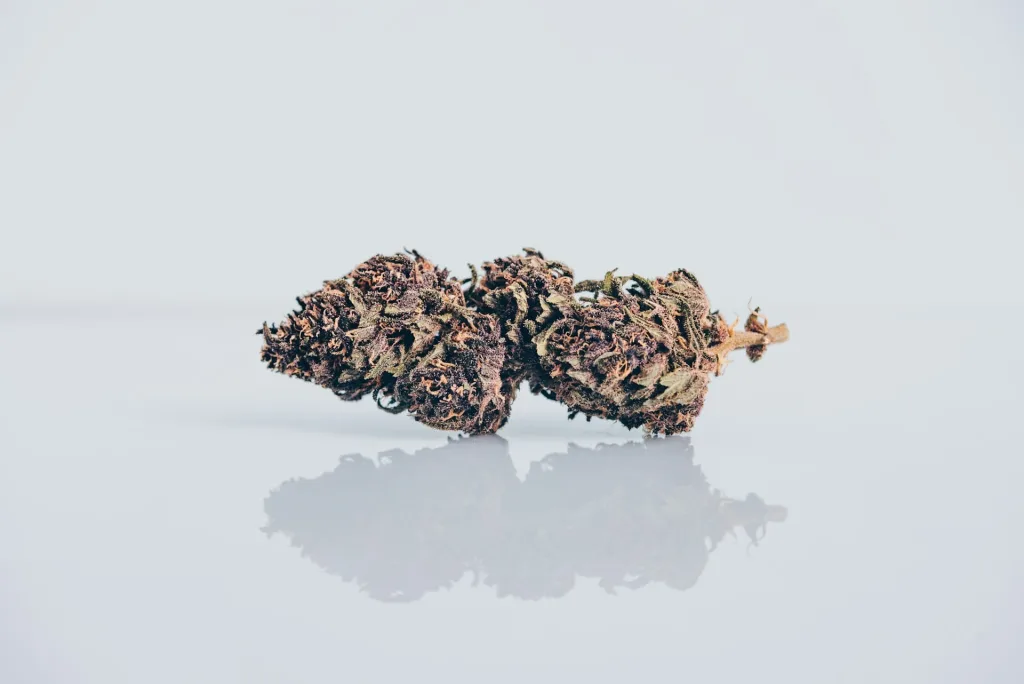
Here’s the cannabis plant explained the way I’d tell a friend: it starts as a seed, grows into a leafy green plant, then flowers, and those flowers are the buds you buy. Everything you care about, the smell, the look, the frost, comes from that flowering stage. The rest of the plant is mostly stalk and fan leaves.
Let’s walk through it stage by stage, then I’ll point out the parts that actually matter when you’re picking flower.
The cannabis plant explained, stage by stage
Cannabis is an annual, meaning it runs its whole life in one season. A grower plants it, it grows up, it flowers, it gets harvested. Here’s the order it happens in.
1. Seed and sprout
It all kicks off with a seed. Give it moisture and warmth and a little root pops out, then the first pair of round leaves. Those first leaves aren’t the classic jagged cannabis shape yet, they come a bit later. This early stretch is called the seedling stage, and the plant is small and fragile here.
Some growers skip seeds and start from clones instead, which are cuttings taken off a healthy plant. A clone is a copy of its mother, so you know exactly what you’re getting. That’s a big deal for keeping a strain consistent batch to batch.
2. The leafy growing stage (veg)
Next the plant just wants to get big. Growers call this the vegetative stage, or veg for short. Lots of light, lots of green growth, more of those familiar fan leaves with the pointy fingers. No buds yet. The plant is building the frame it’ll hang flowers on later.
The longer and healthier the veg, the more spots the plant has to grow bud. This is where a careful small-batch grower puts in the work, training the plant and keeping it clean.
3. Flowering
This is the part you actually smoke. When the light schedule shifts to shorter days, the plant switches from growing to flowering. Female plants start pushing out buds, which are dense clusters of flowers coated in resin.
Male plants make pollen instead, and growers usually keep them well away from the females. If a female gets pollinated, she puts energy into seeds instead of fat, frosty buds. That’s why good flower is seedless, sometimes called sinsemilla. You want the plant spending everything on resin, not seeds.
4. Harvest, dry and cure
Once the buds are ripe, they get cut down, trimmed of extra leaf, and hung to dry slowly. After drying comes the cure, where the buds sit in jars or containers for a stretch so the moisture evens out and the harsh edge mellows.
A rushed dry and cure can wreck otherwise great flower. It’s the difference between bud that smells alive and bud that smells like hay or, worse, smells like nothing. When you find a batch that’s cured right, you can tell the second you open the bag.
The parts that actually matter
You don’t need to know every leaf and stem. But a few parts of the plant tell you almost everything about quality.
Trichomes, the frost
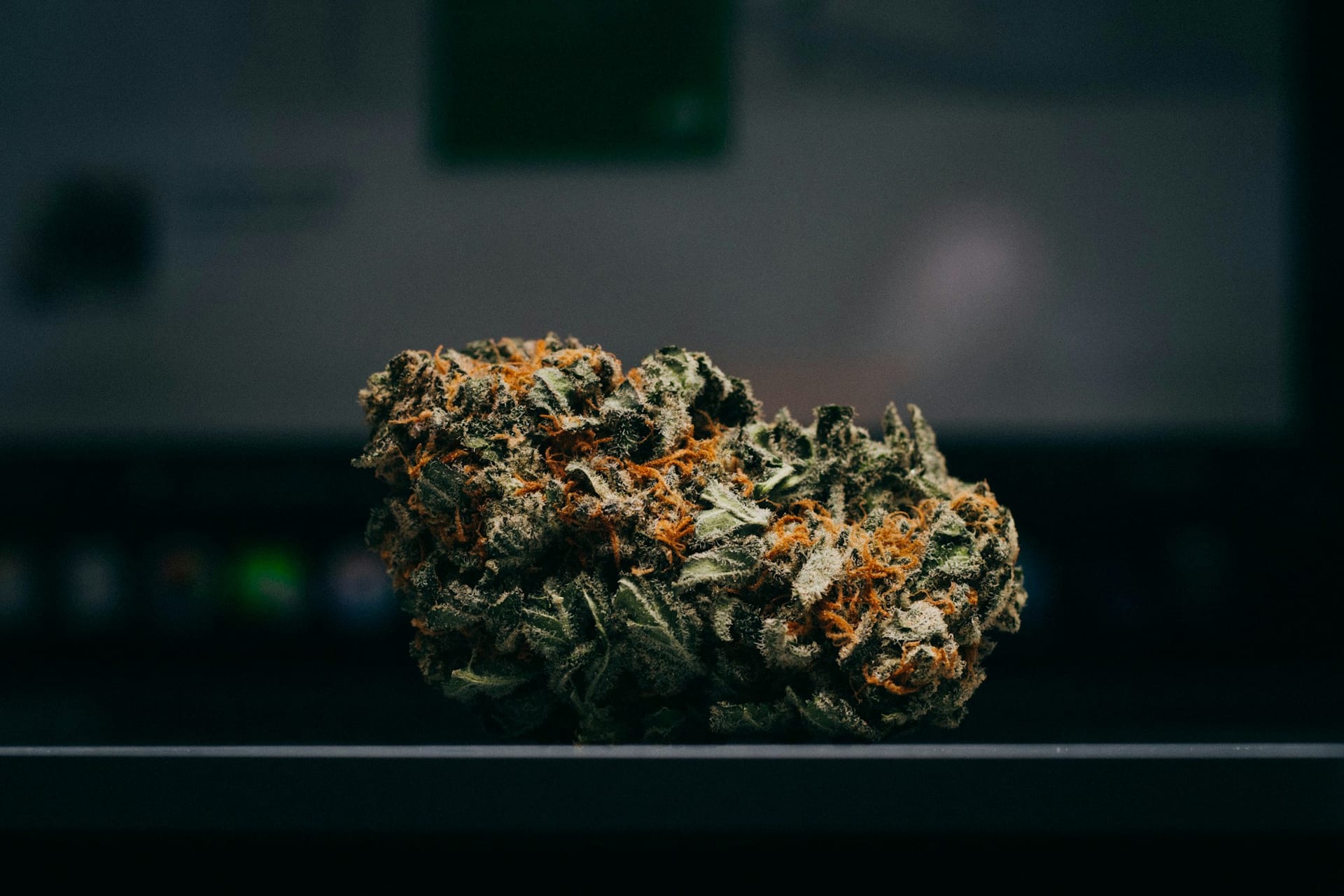
Look close at a good bud and you’ll see it looks frosty, almost like it’s coated in sugar. Those are trichomes, tiny mushroom-shaped glands sitting on the surface. They’re where most of the good stuff lives, both the compounds that get you high and the oils that give it smell and flavour.
More visible frost usually means a bud that was grown and handled with care. It’s one of the first things I check on a new batch.
Terpenes, the smell and flavour
Terpenes are the oils that make one strain smell like citrus and another smell like diesel or pine. Same family of oils you find in lemons, hops and lavender. They’re a huge part of why two strains with similar strength can feel and taste totally different.
When you open a bag and get hit with a strong, clear smell, that’s the terpenes talking. A flat, faint nose usually means the flower is old, badly cured, or just wasn’t that great to begin with.
Tip: rub a little bud between your fingers before you grind it. The smell gets stronger and gives you a much better read on the strain than just sniffing the jar.
The buds themselves
The flower is the whole point. Good buds are dense but not rock hard, with visible frost and a smell you can pick out across the room. You’ll see little hairs too, called pistils, which range from white to orange as the plant ripens. Nice colour is a bonus, but smell and frost matter more.
Sativa, indica, and why the label only tells you so much
You’ve seen strains sorted into indica, sativa and hybrid. It’s a handy starting point, and most people find indica-leaning strains feel heavier and body-focused while sativa-leaning ones feel more up and heady. But almost everything on shelves today is a hybrid, some mix of both.
The honest truth is those two words don’t predict your experience as well as people think. Two different sativas can feel worlds apart. What tells you more is the strain’s actual smell, its terpenes, its parents (the genetics), and how the buds look. That’s why we lean strain-forward here instead of just slapping indica or sativa on everything.
Reading a strain like a pro
Here’s what I look at, in order, when I’m sizing up flower:
- The nose. Strong, clear, and pleasant to you. Trust your own smell.
- The frost. Visible trichomes, that sugary coating.
- The structure. Buds that feel springy, not bone dry and not damp.
- The genetics. Knowing the parent strains gives you a hint at what to expect.
Do those four and you’ll pick better flower than someone chasing whatever name is trending.
Quick reference: plant stages at a glance
| Stage | What’s happening | Buds yet? |
|---|---|---|
| Seedling | Seed sprouts, first leaves appear | No |
| Vegetative | Fast leafy growth, plant gets big | No |
| Flowering | Female plants form resin-coated buds | Yes, forming |
| Harvest / cure | Buds cut, dried, then cured in jars | Finished flower |
Where quality actually comes from
Great flower isn’t luck. It comes from solid genetics, a grower who takes their time in veg and flowering, keeps the plants clean, and then dries and cures slowly instead of rushing to shelf. Small-batch growers can baby their plants in a way big operations often can’t, and you taste that difference in the finished bud.
That’s the whole reason we pick the way we do. When you’re ready to shop, our premium flower is where the frostiest, best-cured batches land. If you want solid everyday smoke that’s easier on the wallet, the value flower covers you, and for stocking up there’s bulk flower.
For a higher grade, browse our Premium Flower (AAA).
Frequently asked questions
What part of the cannabis plant do you actually smoke?
The flowers, or buds, from female plants. That’s where the frost and smell live. The stalks and big fan leaves aren’t what you’re after.
Why is good bud seedless?
When a female plant isn’t pollinated, it pours all its energy into resin and fat buds instead of making seeds. Seedless flower, sometimes called sinsemilla, is the good stuff.
What are trichomes?
They’re the tiny frosty glands coating a good bud. Most of the smell, flavour and the compounds that get you high sit inside them, which is why frost is a quick tell for quality.
Does indica or sativa really tell me how a strain will feel?
Only loosely. Many people find indica-leaning strains feel heavier and sativa-leaning ones feel more up, but hybrids blur that line. The strain’s smell and genetics tell you more.
How can I tell if flower is fresh?
Give it a smell. Fresh flower has a strong, clear nose and buds that feel springy, not bone dry or damp. A faint smell usually means it’s old or wasn’t stored well.
Any time you’re not sure what you’re looking at, bring it up with us. Reading a strain gets easy once you know what to sniff and look for, and that’s half the fun of good flower.