Understanding Cannabis Strains: A Complete Guide
Key takeaways
- A strain is just a specific type of cannabis plant with its own genetics, smell, and feel.
- Indica vs sativa is a rough starting point, not a rulebook. The smell and terpenes tell you more.
- Terpenes are the aroma compounds that make one batch smell like lemon and another like diesel.
- To shop smart, read the strain name, the terpenes if listed, and the look and smell of the actual flower.
A cannabis strain is a specific type of the plant with its own genetics, look, smell, and the kind of buzz it gives you. That’s the short version. Here’s cannabis strains explained the way I’d tell a friend: think of strains like apple varieties. A Granny Smith and a Honeycrisp are both apples, but they don’t taste the same or feel the same to eat. Same deal with weed.
Once you get how strains work, you stop picking randomly and start picking bud you’ll actually enjoy. Let’s get into it.
What a cannabis strain actually is
A strain (some folks say cultivar, same thing) is a named type of cannabis grown from particular genetics. When you see names like Blue Dream, Wedding Cake, or Pink Kush, those are strains. Each one comes from a specific breeding line, so it tends to have a recognizable smell, look, and effect batch to batch.
The name matters because it’s your shorthand. Once you find a strain you like, you can look for it again or look for its relatives. That’s the whole point of learning to shop by the strain instead of grabbing whatever’s in front of you.
One thing to keep in mind: the same strain grown by two different people can turn out a little different. Growing conditions, timing of the harvest, and how the flower was dried and cured all change the final product. So the name gets you close, but the actual jar in front of you is what counts.
Indica, sativa, and hybrid: the starting point
You’ve heard these words a thousand times. Here’s the honest take.
The old-school version
The classic story goes: indica is heavy and relaxing, sativa is up and energetic, and hybrids sit somewhere in between. People still use these words all the time, and they’re a decent rough guide for setting expectations.
Why it’s not the whole truth
Most weed on the shelf today is a hybrid of a hybrid of a hybrid. The pure indica-versus-sativa split is more about the plant’s shape and growing habits than a guarantee of how you’ll feel. Two “indica” strains can feel pretty different from each other. So use the label as a starting hint, then look at the terpenes and the smell to get a real read.
Tip: If a product description only ever talks about indica vs sativa and never mentions the smell or the terpenes, it’s giving you the surface-level version. The nose tells you more.
Terpenes: the part that really matters
This is my favourite part, so bear with me. Terpenes are the aroma compounds in the flower. They’re what make one strain smell like fresh lemon peel and another smell like diesel and pepper. Every plant, not just cannabis, has them. Lemons, pine trees, and lavender all get their smell from terpenes too.
Why do you care? Because the smell is a real clue to the character of the bud. When you crack open a jar and it hits you with sharp citrus, or gassy fuel, or sweet berry, that’s the terpenes talking. And a lot of people find the terpenes shape the feel of the high as much as anything else.
Common smells and what they usually mean
| Terpene | Smells like | Often found in |
|---|---|---|
| Myrcene | Earthy, musky, ripe fruit | Many classic “heavy” strains |
| Limonene | Citrus, lemon, orange | Bright, zesty strains |
| Caryophyllene | Pepper, spice, a bit of funk | Gassy, spicy strains |
| Pinene | Pine, fresh forest | Sharp, clean-smelling strains |
| Linalool | Floral, lavender | Soft, sweet strains |
You don’t need to memorize this. Just start noticing what you smell and how the bud made you feel afterward. Over time you’ll spot your own pattern. A lot of people realize they lean toward gassy strains, or that they love anything citrusy. That’s you learning to read a strain.
THC, CBD, and why the number isn’t everything
THC is the part that gets you high. CBD doesn’t get you high in the same way and shows up more in some strains than others. Most flower you’ll see is high in THC with barely any CBD, but there are balanced options out there too if you want something gentler on the buzz. Those tend to live in the CBD essentials corner.
People get this one wrong: chasing the highest THC number on the label. A really high number doesn’t automatically mean a better experience. The terpenes, the freshness of the flower, and how it was cured all matter a lot. I’ve seen more moderate-THC bud that smokes way nicer than a stronger batch that was dry and harsh. Smell and quality beat a big number every time.
How to actually read a strain and shop smart
When you’re standing there deciding, here’s what to look at, in order.
1. The strain name and its family
Recognize the name? If you liked something from the same family before, that’s a good sign. Cookies, Gelato, and Cake strains, for example, tend to run sweet and dessert-like. Diesel and Gas strains run sharp and fuel-heavy.
2. The smell
If you can smell it, do. Fresh flower should smell alive and punchy, not like hay or nothing at all. A flat, grassy smell usually means it’s old or wasn’t dried right.
3. The look
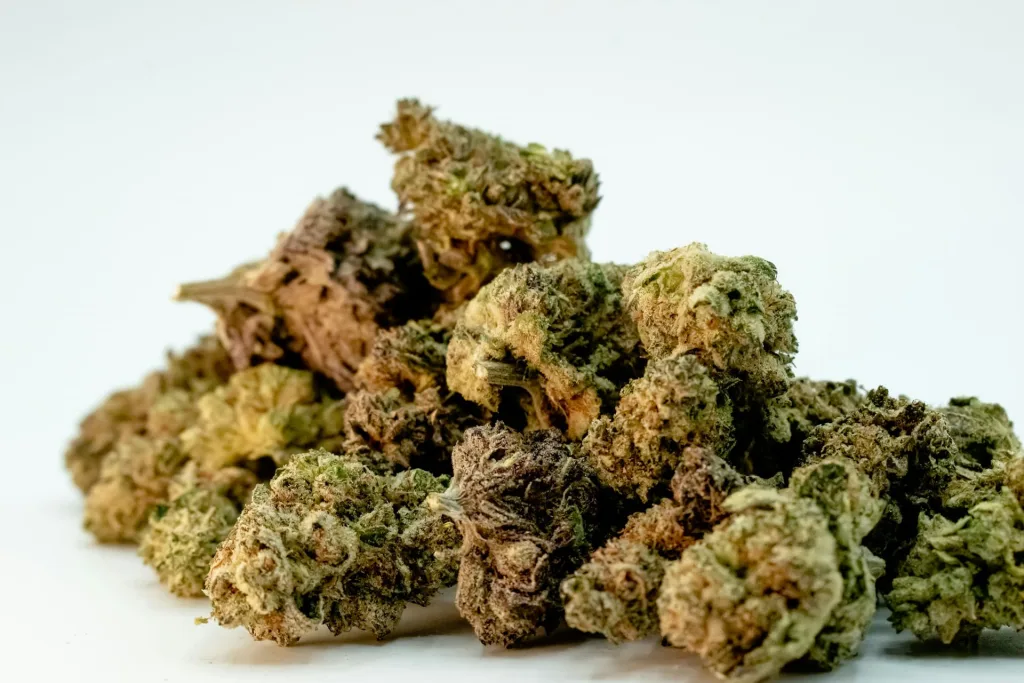
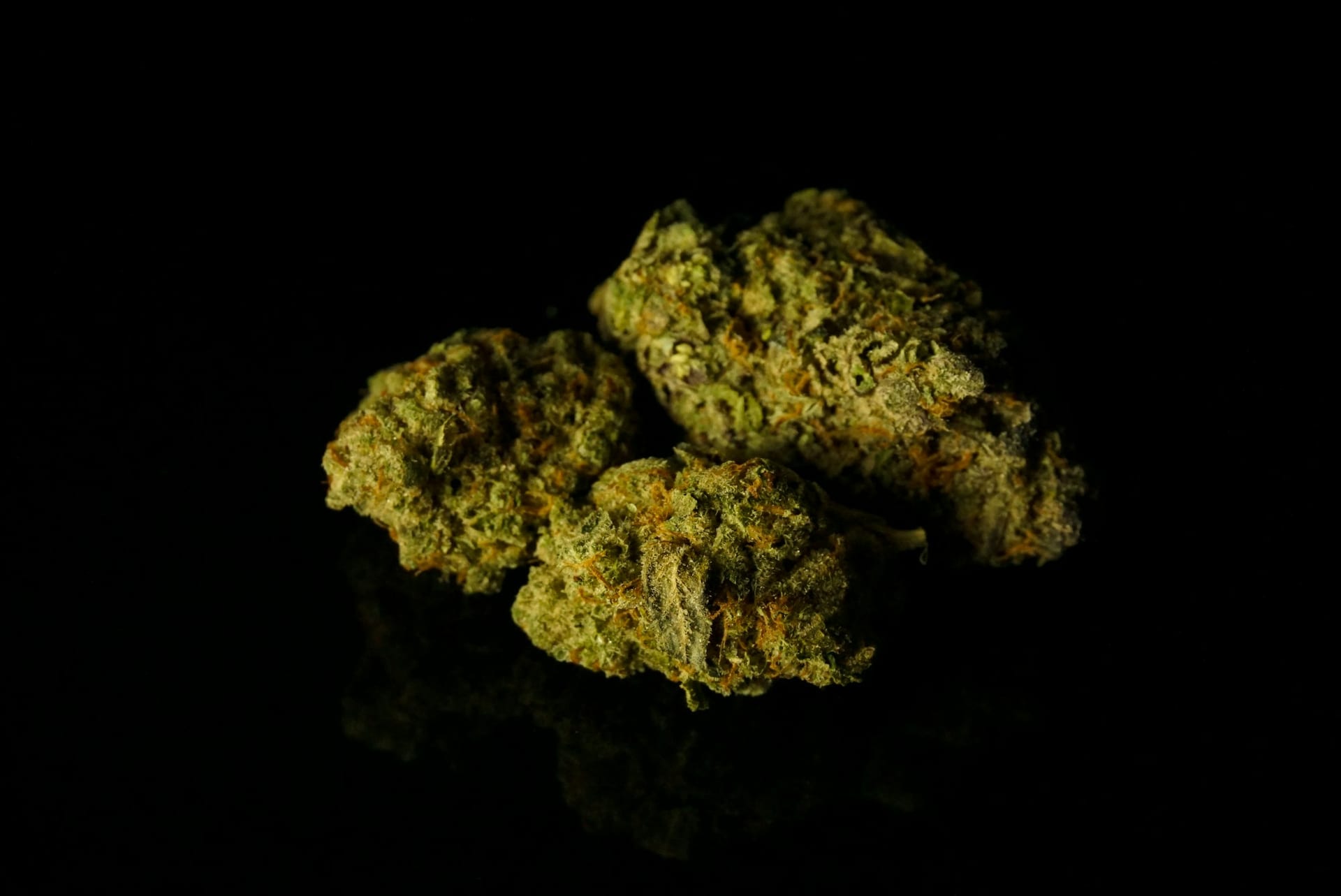
Good bud looks well-trimmed, has a healthy colour (greens, sometimes purple, with visible frosty trichomes), and feels slightly springy, not bone dry and not damp. Lots of little crystals on the surface is a good sign.
4. The terpenes, if they’re listed
Some products list the top terpenes. If you already know you love limonene, that’s your shortcut right there.
A quick worked example
Say you’re choosing between two strains. One’s a Wedding Cake type: sweet, a bit of vanilla and gas on the nose, leans relaxing. The other’s a Super Lemon Haze type: bright citrus smell, leans lively and up. Neither is “better.” If you want something easy for a quiet evening, the Cake makes sense. Heading out and want to feel bright? The Lemon Haze. You picked based on smell and feel, not a random guess. That’s the whole skill.
Quality tiers and formats
Not every strain needs to be top-shelf for every occasion. Sometimes you want the really nice, hand-trimmed, frosty stuff. Sometimes you just want solid everyday bud and that’s totally fine.
- If you’re after the good stuff and want the best smell and trim, check the premium flower.
- If you want dependable daily bud without fussing over every trichome, the value flower does the job.
- If you go through a lot and want to stock up on a strain you already trust, the bulk flower is worth a look.
Same strain logic applies no matter the format. Vapes, pre-rolls, and extracts all get made from particular strains too, so the name and terpene profile still tell you what to expect.
Ready to try something new by the strain? Start with our Premium Flower (AAA).
Frequently asked questions
Is indica really more relaxing than sativa?
Often, yeah, that’s the general pattern people describe. But it’s not a guarantee. Modern strains are so crossbred that the terpenes and how the specific batch was grown matter more than the indica or sativa label. Treat it as a hint, not a rule.
Does higher THC mean a better high?
Not really. A high THC number just means it’s strong. Whether you enjoy it depends on the terpenes, the freshness, and the cure. Plenty of moderate-THC flower smokes and feels better than a stronger but poorly grown batch.
Why does the same strain feel different sometimes?
Because who grew it and how it was dried and cured changes the final product. Same genetics, different grow, slightly different result. That’s normal. It’s why I always tell people to check the actual jar, not just the name.
How do I find strains I’ll like?
Pay attention to the smell and note how each one felt afterward. After a few tries you’ll spot your pattern, maybe you love citrus, maybe you love gas. Then look for strains in that same family. That’s reading a strain, and it gets easier fast.
What are terpenes in simple terms?
They’re the aroma compounds that give each strain its smell, like citrus, pine, fuel, or berry. Lots of people find the terpenes shape the feel of the flower as much as anything, so the nose is a genuinely useful shopping tool.
Do I need to memorize strain names?
No. Just remember the couple you liked and roughly what they smelled like. Look for something similar on the menu and you’re set. The names are a shortcut, not homework.
Take your time smelling and comparing, and you’ll get a feel for what you like pretty quickly. Any strain you’re curious about, we’re happy to talk you through it.